Parents
Building Resources
District Resources
Well-Being
Safe Schools Helpline
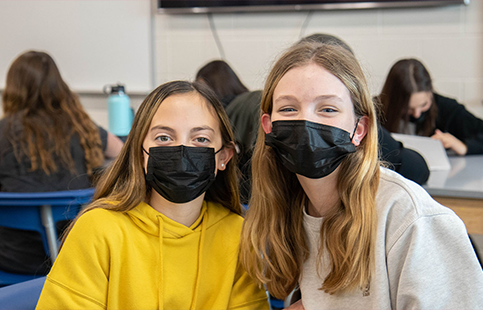
There is help available 24 hours a day, seven days a week. Safe Schools Helpline is a free and confidential option for our students to report threats of violence, illegal activity, or any activity they think can harm students or staff in our schools. There is a toll-free number students can call or a number they can text or a web page where they can report their concerns and talk to a trained mental health counselor.
Learn More

HOPE App
Hilliard City Schools has developed this resource to provide our students with tools and information about student well-being. This is pre-loaded on every student issued iPad in the District.
Learn More
Report Bullying
Hilliard City School District is committed to providing a culture of respect that provides a safe and caring learning environment for all students. Therefore, harassment, intimidation, and/or discrimination of any student, staff member, or other individuals by any person or group will be prohibited on school property or at any school-sponsored activity.
Learn More
Help Center
If you experience technical issues, please complete a Help Ticket. Our team will get back to you as quickly as possible. For instructional matters, reach out to our teachers directly. Please be patient and kind as we develop these new norms. Not only are our amazing teachers working to create and provide new eLearning activities, but many are also Moms and Dads.
If you have a question about coursework, please communicate directly with your classroom teacher. If you or your student’s device is broken, or you need other tech support, please complete this form. An HCSD staff member will follow up as soon as possible.
Setting Up Your iPad
- If you run into issues during the setup process (or your iPad is not working correctly for some reason) please submit a ticket on the Help Desk website and someone from the Technology Department will contact you for further information and directions on what you need to do.
- During the school year, students may continue to use the Help Desk website for technical support with their district iPad. If the student is physically in their home school building they may also ask for assistance in their Media Center or from a member of the Student Genius Bar (if your building has one).
Canvas
Students utilize Canvas as a one-stop-shop for learning resources, a digital planner, class notifications and announcements, turning in assignments, assessments, and discussion forums.
Google For Education
Google For Education are a variety of tools that all students and staff K-12 use to create documents, slideshows, and more.
Students in Grades 6-12 also get an email address. What’s my email address? Typically, your email address will be: firstname.lastname@hilliardschools.org. Now, if more than one student in the district has the same first and last name, there may be a number after your last name. The best way to find your email address is to log in to Google for Education. You will see your email address on the right side of the browser window. Please note that inappropriate language is not permitted in the email in your Google for Education account. Messages with inappropriate language are automatically routed to the principal. So, if you wouldn’t say it to your grandma, don’t say it in the email.
Calendars
Do you need to check available dates or events? Access our calendar quick links for performing arts, athletics, testing, all building activities, and district information.
Performances
Athletics
Activity
District
Testing